

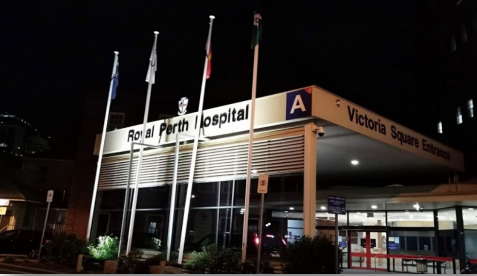
Royal Perth Hospital is one of Australia’s largest and busiest hospitals, offering and extensive range of services for adults across a range of clinical fields. The emergency department is one of the busiest in Australasia and is currently the second largest trauma hospital in the country.
Within our scope, we were tasked with the design and installation of:
- A compliant Fire Sprinkler system compliant with AS2118.1
- A compliant Fire Detection & Occupant Warning system with AS1670.1
- A compliant Stat-X Dry Powder Fire Extinguishing system compliant with AS4487-2013
The existing fire sprinkler system was modified to allow for the installation of the new
ceilings throughout the building.
The sprinkler system is charged from a water supply coming from the Water Corporation
town’s main connected to the existing fire Pumps. The Control Valves are located on
Levels 1, 2, 11, 12 and 13
The Fire Detection & Occupant Warning system works included the modification and re-programming of the main Fire Control Panel to include for the sprinkler valve test switches on Levels 2, 12 and 13. The fire detection system for the Lift Motor Room also included the install of a Sub Indicator control panel which was linked back to the site main FIP.
Each motor room has smoke detection and VESDA aspirating system protection with optical smoke detectors installed.
The Stat-X Dry Powder Fire Extinguishing system is installed to cover the Lift Motor Rooms located on Levels 11 (3 rooms), 12 (3 rooms) and 13 (1 room) which are wired back to the FIP module on Level 12. The canisters for the system are located within a purpose built enclosure around the Lift Motor and Switch Rooms.