
December 2016

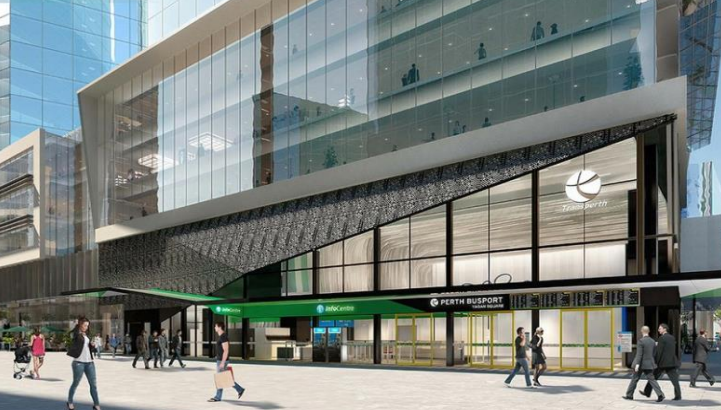
Perth City Busport

The Perth CityLink Bus project forms part of the redevelopment of the site bounded by the Mitchell Freeway, Roe Street, Wellington Street and the Horseshoe Bridge. Upon completion the site will accommodate the below ground Busport with easy access to several mixed spaces including the Perth Arena, Retail and Accommodation buildings as well as open spaces used for public events.

The Perth Busport is unique in not only being fully underground, it is also Australia’s first bus station to operate similar to an airport, with buses departing from different stands to maximise efficiency.

Within our scope, we were tasked with the Audit, Engineering review and final certification for the entire fire systems installation, this included Fire Sprinkler/Fire Hydrant System to protect the Ground Floor and Lounge areas of the East, West and Central portals, plant areas within the East West and Central portals and the storage area along the top of Tunnel 7.

  • A fully compliant Fire Sprinkler System to AS2118.1-1999 and Deluge System to AS2118.3-2010
  • Wall Wetting Drencher System
  • A fully compliant Fire Hydrant System to AS2419.1-2005
  • 2 x Diesel Fire Pumps in accordance with AS2941-2013
  • ProInert IG541 Gaseous Suppression System in accordance AS ISO14520.1 2009
  • Additionally we installed electronically actuated Deluge Sprinkler Systems to protect the Bus Circulation Zone (BCZ) and Tunnel 7 and 8 roadway areas.
  • A Pre-Action system has also been installed to protect the East UPS room located within the East end of the BCZ. A Gaseous Suppression system was installed to the HV and LV switch rooms located in the East and West Portals respectively

Throughout the project we were faced with various challenges:

  • Firstly, the Busport had been designed and installed by a company that had failed to complete the contract after liquidation. This made receiving up to date documentation extremely difficult. In order to ensure that the correct information was evaluated, we attended site many times to undertake detailed documentation and checking of the systems and services installed essentially redesigning the project and providing Quality Assurance through re hydraulic calculation of the deluge systems. Items requiring finalisation were completed by our installations and commissioning team.
  • Secondly, we were required to finalise and attend / perform final handover and acceptance / performance testing, this involved coordinating completion works and alignment of the mechanical and Alarm and Detection system to ensure faultless adherence to the Cause and effect matrix.

The challenge with this is that we were brought into the project at a late stage, therefore any prior agreements and discussions towards system operational requirements needed to be re discovered and finalised, based on our knowledge and available resources, this was completed during nightshift and only required 1 night of testing.